
The Science of Beautiful Skin
Discover the best ingredients and natural compounds that transform skin health from within
Today's Trending Skin Ingredients
Science reveals which natural and scientific compounds truly deliver transformative results for skin health and appearance
Hyaluronic Acid
A naturally occurring compound that holds up to 1000 times its weight in water, providing deep hydration and plumping effects for skin. Helps maintain moisture barrier and supports elasticity.
Retinol & Retinoids
Vitamin A derivatives that accelerate cell turnover and boost collagen production. Evidence-based ingredient for reducing fine lines, improving texture, and supporting long-term skin renewal.
Vitamin C
A potent antioxidant that brightens skin, protects against environmental stress, and stimulates collagen synthesis. Essential for maintaining luminosity and resilience.
Peptides
Short chains of amino acids that signal skin cells to strengthen and repair. Support skin firmness, improve barrier function, and promote visible elasticity improvements.
Antioxidants
Compounds like resveratrol, green tea, and vitamin E defend against photoaging and free radical damage. Preserve skin's youthful appearance and support cellular health.
Niacinamide
Vitamin B3 that strengthens skin barrier, minimizes pore appearance, and reduces inflammation. Works synergistically with other ingredients to enhance overall skin resilience.
Understanding Ingredient Efficacy
At Beautyelixir Components, we explore the scientific foundation behind skincare ingredients. Our editorial mission is to bridge the gap between cosmetic chemistry and consumer understanding, helping readers make informed choices about what they apply to their skin.
We examine research on skin-beneficial ingredients, their mechanisms of action, concentration levels that matter, and how different compounds work together to support skin health. Whether you're interested in retinol for face applications, the hydrating power of hyaluronic acid, or antioxidant protection against photoaging, our articles provide evidence-based insights.
- Research-driven content: Every article references scientific studies and expert sources
- Ingredient breakdowns: We analyze cosmetic ingredients, concentrations, and real-world benefits
- Practical guidance: Learn how to layer products and support skin hydration and elasticity
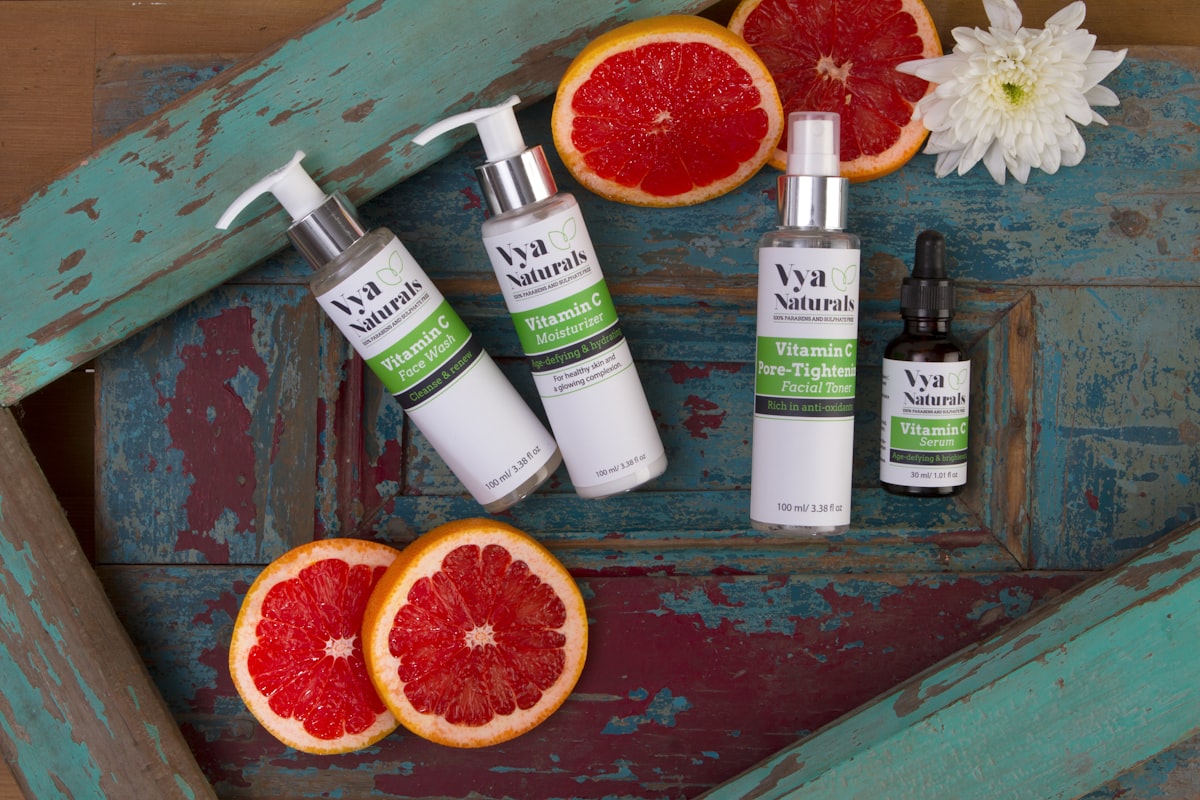
How We Approach Ingredient Analysis
Research & Review
We analyze peer-reviewed studies, clinical trials, and cosmetic chemistry literature to understand how ingredients work at the molecular level.
Ingredient Sourcing
We examine where ingredients come from, their purity levels, and how formulation concentrations impact skin benefits and efficacy.
Practical Testing
Our team evaluates ingredients in real-world formulations, testing compatibility, stability, and observable results on different skin types.
Expert Insights
We connect with dermatologists, cosmetic chemists, and skincare specialists to provide balanced perspectives on ingredient benefits and limitations.
Featured Ingredient Categories
Explore our comprehensive guides on the most effective and researched skincare ingredients, from vitamins and peptides to plant extracts and humectants.

Hydrating Compounds
Hyaluronic acid, glycerin, and other humectants that draw moisture into the skin and support long-term hydration and barrier health.
Learn more →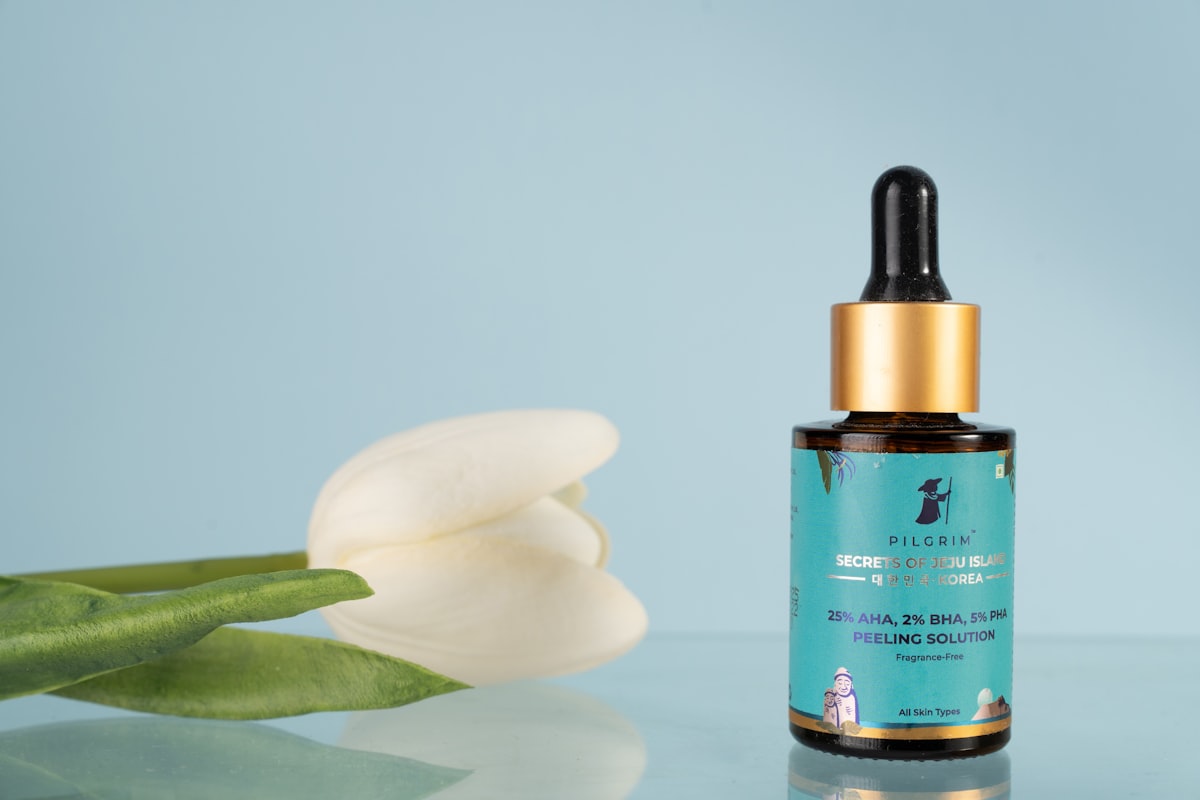
Antioxidant Protection
Vitamin C, green tea, and resveratrol defend against environmental stress and free radical damage to preserve skin's youthful resilience.
Learn more →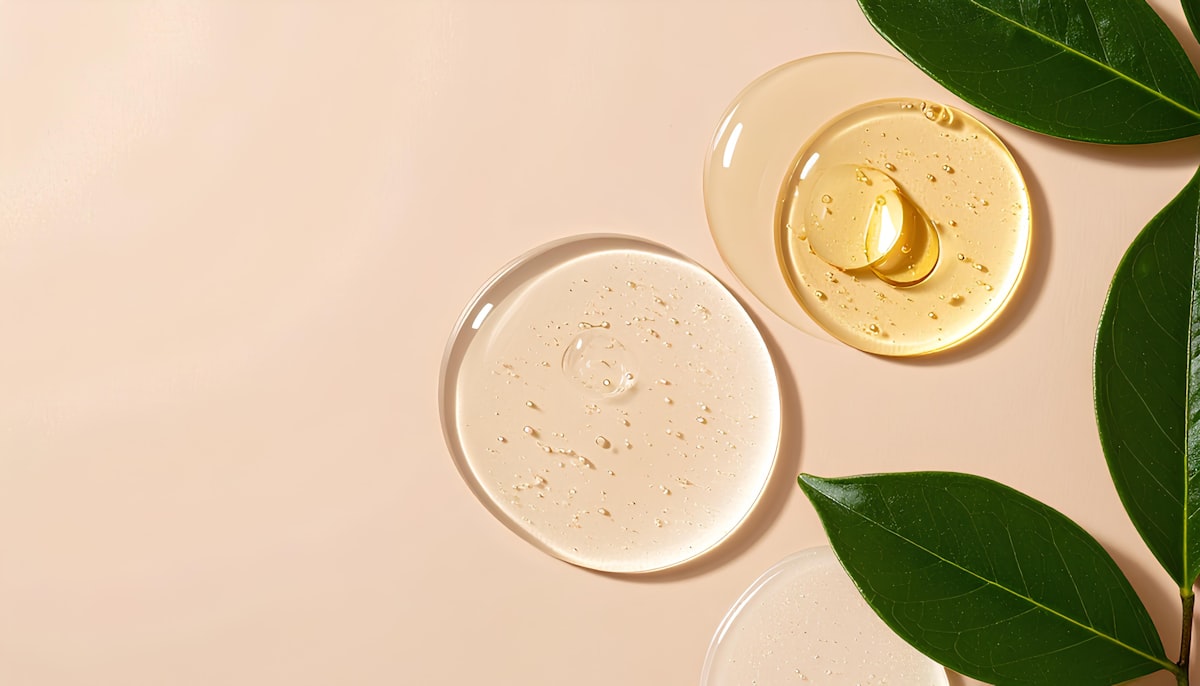
Cell Renewal Actives
Retinol, retinoids, and alpha hydroxy acids that accelerate turnover, boost collagen, and improve texture over time.Learn more →

Firming & Elasticity
Peptides, niacinamide, and collagen-supporting compounds that strengthen skin structure and improve visible elasticity.
Learn more →
Plant-Based Actives
Botanical extracts, essential oils, and natural compounds that offer soothing, anti-inflammatory, and nourishing benefits to skin.
Learn more →
Specialized Formulations
Advanced compounds like bakuchiol, squalane, and fermented extracts that deliver targeted benefits with minimal irritation.
Learn more →What Our Readers Say
"I've always been confused about which skincare ingredients actually work versus marketing hype. This site breaks down the science in a way that finally makes sense. The articles on retinol helped me understand how to use it properly without overdoing it. I feel much more confident choosing products now."
Maria Virtanen
Helsinki, Finland
"The ingredient guides have completely changed how I approach skincare. I used to waste money on products with minimal active compounds. Now I check concentrations and understand skin barrier function. The peptides article was particularly eye-opening—I never realized how they work differently than collagen alone."
Jani Mäkinen
Tampere, Finland
"As someone with sensitive skin, I appreciate how the articles explain which ingredients are gentle and which ones might cause irritation. The hyaluronic acid deep dive helped me rebuild my damaged barrier. The practical testing insights about formulation compatibility are invaluable."
Aino Koivisto
Espoo, Finland
Get the Latest Ingredient Insights
Subscribe to our newsletter for new articles on skincare science, ingredient spotlights, and evidence-based skincare guidance delivered to your inbox.
We respect your privacy. Unsubscribe anytime.
Frequently Asked Questions
What is hyaluronic acid and how does it hydrate skin?
Hyaluronic acid is a naturally occurring humectant that can hold up to 1000 times its weight in water. When applied topically, it draws moisture from the environment and deeper skin layers to the surface, plumping fine lines and improving hydration. It works best in humid conditions and when layered under occlusive moisturizers to lock in benefits.
How does retinol improve skin and reduce visible signs of aging?
Retinol is a vitamin A derivative that accelerates skin cell turnover and stimulates collagen production. It works by binding to retinoid receptors in skin cells, signaling them to renew and repair. Over weeks and months, this leads to smoother texture, reduced fine lines, and improved elasticity. Start with low concentrations to minimize irritation.
What are peptides and how do they support skin elasticity?
Peptides are short chains of amino acids that act as signaling molecules for skin cells. They communicate to fibroblasts to produce and maintain collagen and elastin, the structural proteins responsible for firmness and elasticity. Topical peptides don't replace lost collagen directly, but they encourage the skin to strengthen itself from within.
How does vitamin C protect against photoaging?
Vitamin C is a potent antioxidant that neutralizes free radicals generated by UV exposure and pollution. By scavenging these unstable molecules, it prevents damage to collagen and elastin, which are primary targets of photoaging. Additionally, vitamin C stimulates collagen synthesis, brightens the complexion, and supports overall skin resilience and renewal.
What concentration of active ingredients matters in skincare?
Concentration is critical—a product with 0.3% retinol may be ineffective, while 1% delivers noticeable results. Similarly, hyaluronic acid below 0.5% offers minimal benefit. Our articles examine evidence-based concentrations for each ingredient. Manufacturers must list ingredients by concentration, so reading labels helps you identify potent formulations.
Can I use multiple actives together or will they irritate my skin?
Layering actives requires understanding their compatibility. Vitamin C and vitamin E work synergistically, while combining strong exfoliants with retinol risks over-sensitization. Niacinamide stabilizes many ingredients. Start slowly, introduce one new active at a time, and observe your skin's response. Our guides cover safe combinations for different skin types.
Discover the Science Behind Beautiful Skin
Explore comprehensive guides on cosmetic ingredients, vitamins for skin, antioxidants, retinol, hyaluronic acid, and peptides. Learn how to support skin hydration, elasticity, and protection against photoaging with evidence-based knowledge.