
Premium Skin-Beneficial Ingredients
Discover the science-backed components that transform skincare routines. From hydration to elasticity and photoaging protection, explore ingredients that matter for your skin health.
Filter by benefit category:
Hyaluronic Acid
Hyaluronic acid is a humectant powerhouse that holds up to 1000 times its weight in water. This naturally occurring polysaccharide penetrates multiple skin layers to deliver deep hydration, plump fine lines, and restore a dewy complexion. Ideal for all skin types, especially those prone to dryness or dehydration.
✓ Skin hydration · Deep moisture · Plumping effect
Learn more →Retinol
Retinol (vitamin A) is the gold standard for addressing photoaging and skin renewal. This lipophilic compound stimulates collagen synthesis, accelerates cell turnover, and reduces the appearance of fine lines. Regular use improves skin texture, firmness, and elasticity while supporting the skin barrier. Start with low concentrations to minimize sensitivity.
✓ Elasticity · Anti-aging · Cell renewal
Learn more →Vitamin C
Vitamin C (ascorbic acid and derivatives) is a potent antioxidant that neutralizes free radicals and protects against photoaging damage. It brightens the complexion, evens skin tone, and promotes collagen cross-linking for improved firmness. L-ascorbic acid is the most bioavailable form but requires stabilized formulations. Suitable for brightening and protective skincare routines.
✓ Antioxidant protection · Brightening · Collagen support
Learn more →Peptides
Peptides are short chains of amino acids that mimic natural skin signals, stimulating collagen and elastin production. These bioactive ingredients improve skin firmness, elasticity, and resilience. Different peptide types target specific concerns—some strengthen the barrier, others boost hydration. Peptides work synergistically with other ingredients for enhanced benefits.
✓ Skin elasticity · Firming · Structural support
Learn more →Niacinamide
Niacinamide (vitamin B3) is a multifunctional ingredient that strengthens the skin barrier, reduces water loss, and minimizes pore appearance. It regulates sebum production, reduces inflammation, and works well with nearly all other skincare ingredients. This water-soluble vitamin is gentle, non-irritating, and effective for sensitive or compromised skin. Concentrations of 4-5% are typically used in cosmetics.
✓ Barrier function · Hydration · Oil control
Learn more →Ceramides
Ceramides are lipid molecules naturally found in the skin barrier that help retain moisture and protect against environmental stressors. These waxy compounds seal in hydration and reduce transepidermal water loss (TEWL). Ceramides are essential for compromised or sensitive skin, strengthening the protective barrier and restoring comfort. They enhance the efficacy of other hydrating ingredients.
✓ Barrier repair · Long-lasting moisture · Comfort
Learn more →Green Tea Extract
Green tea extract is rich in polyphenols, particularly catechins, which provide powerful antioxidant and anti-inflammatory benefits. These compounds protect skin from free radical damage and UV-induced photoaging. Green tea also helps regulate sebum production and soothes irritated skin. This plant-derived ingredient is gentle, naturally sourced, and effective for all skin types, especially oily or reactive skin.
✓ Antioxidant · Soothing · Environmental protection
Learn more →Glycerin
Glycerin is a humectant that draws moisture from the environment and deeper skin layers into the stratum corneum. This three-carbon alcohol is gentle, well-tolerated, and highly effective at all concentrations (typically 5-10% in skincare). Glycerin strengthens the skin barrier, improves hydration, and works synergistically with other ingredients. It is especially beneficial for dry, sensitive, or barrier-compromised skin.
✓ Hydration · Barrier support · Universal compatibility
Learn more →Understanding Cosmetic Ingredients
The science of skincare is grounded in understanding how specific ingredients interact with skin physiology. Cosmetic ingredients are categorized by their functions: humectants draw moisture, emollients soften, occlusives seal, and actives address specific concerns like photoaging or elasticity.
Each ingredient has an optimal concentration range where it shows maximum efficacy while maintaining safety. Formulation science involves balancing pH, stability, and compatibility to create products that deliver real benefits. Learning about these components empowers you to make informed choices about your skincare routine.
Our editorial team researches peer-reviewed studies and industry standards to bring you accurate, evidence-based information about ingredients and their roles in skin health.
Explore our complete guides
Layering Ingredients Effectively
The order and combination of ingredients matters. Learn how to layer skincare components for maximum absorption and efficacy while avoiding conflicts.
Cleanse & Prep
Start with a clean canvas. Remove impurities and excess oil with a gentle cleanser. Pat skin dry completely—moisture on the skin can dilute active ingredients and reduce penetration.
Lightweight to Rich
Apply products from thinnest to thickest consistency. Serums and essences first, followed by lighter lotions, then creams and oils. This ensures proper absorption of actives without barrier blocking.
Consider pH & Timing
Low-pH actives (like vitamin C or retinol) work best on clean skin. Allow 15-20 minutes between applications if combining multiple active ingredients. Some combinations can reduce efficacy.
Seal & Protect
Finish with an occlusive or moisturizer to seal in hydration and protect your skin barrier. This final step locks in benefits from all previous layers and provides lasting comfort.
Ingredient Compatibility & Conflicts
Synergistic Combinations
-
Hyaluronic acid + Glycerin + Ceramides
Triple hydration: humectants draw moisture, ceramides seal the barrier
-
Vitamin C + Vitamin E + Ferulic acid
Advanced antioxidant protection with enhanced stability and efficacy
-
Retinol + Peptides + Niacinamide
Collagen support with barrier repair and reduced irritation
-
Green tea + Niacinamide + Hyaluronic acid
Antioxidant protection with soothing and hydrating support
Ingredients to Separate
-
Retinol + Vitamin C (low pH)
Use in separate routines (AM/PM). Both are actives and can cause irritation
-
High pH products + Low pH actives
Alkaline cleansers neutralize acidic actives. Wait 15+ minutes between applications
-
Too many actives at once
Combining multiple exfoliants or actives risks barrier damage and sensitivity
-
Benzoyl peroxide + Retinol
Both are strong ingredients. Use on alternate nights to minimize irritation
Vitamins for Skin Health
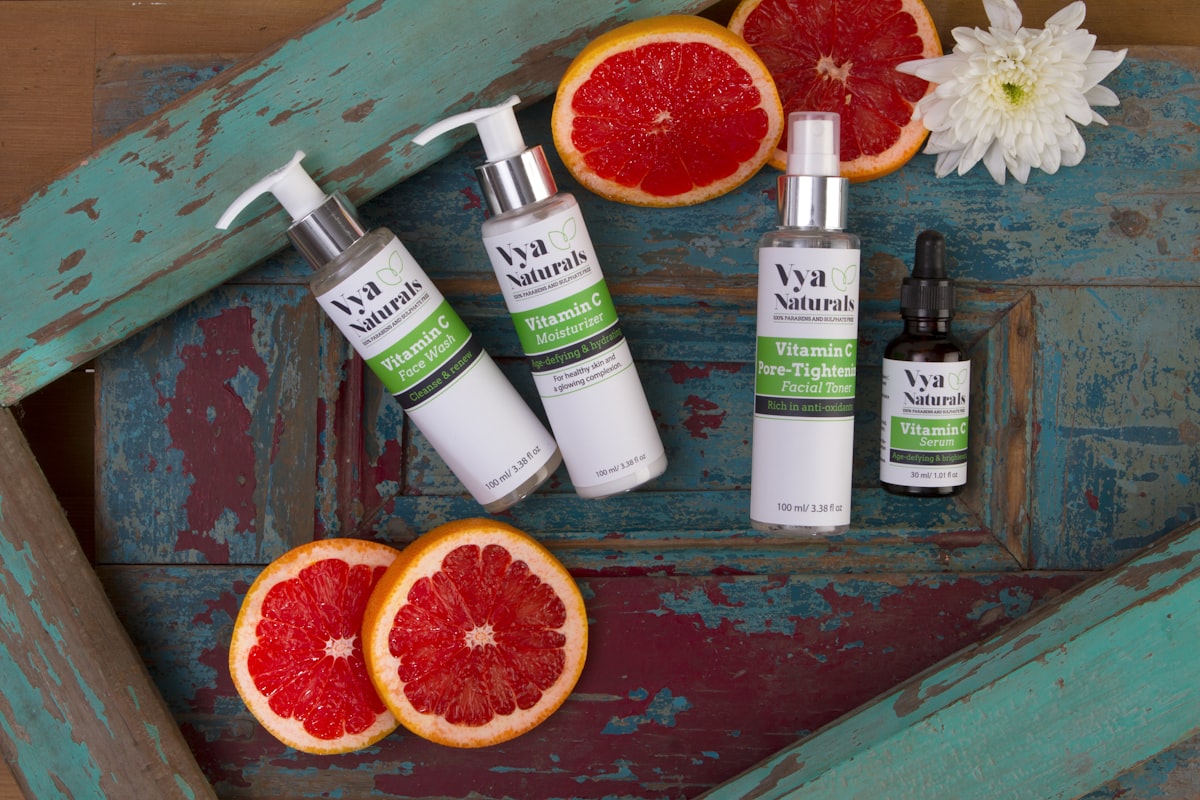
Vitamins play essential roles in maintaining skin structure and function. Vitamin A promotes cell turnover, vitamin C supports collagen synthesis, vitamin E protects against oxidative stress, and B-complex vitamins maintain skin barrier integrity. Each vitamin addresses specific aspects of skin aging and damage.
The cosmetic industry uses both water-soluble and fat-soluble vitamins depending on the desired penetration and effect. Formulation chemistry determines bioavailability—not all vitamin forms are equally effective when applied topically. Understanding which derivative works best helps you select products aligned with your skincare goals.
Antioxidants like vitamins work in synergy with plant extracts and peptides to provide comprehensive protection against photoaging and environmental stressors.
Read our vitamin guideCommon Questions About Skincare Ingredients
Find answers to frequently asked questions about cosmetic ingredients, formulation, and how to use them effectively.
What is the difference between retinol and retinoids?
Retinol is a vitamin A compound that must be converted by the skin's enzymes into retinoic acid (the active form). Retinoids are a broader class including retinol, retinyl palmitate, and prescription-strength retinoic acid. Prescription retinoids work faster but retinol is more accessible and gentler for sensitive skin. Both support collagen production and address photoaging.
How long does it take to see results from skincare ingredients?
Results vary by ingredient and concern. Hydrating ingredients like hyaluronic acid provide immediate plumping effects. Anti-inflammatory ingredients like niacinamide work within days. Collagen-boosting ingredients like retinol, peptides, and vitamin C require 4-12 weeks of consistent use to show visible improvements in skin texture and elasticity. Patience and consistency are key.
Can I use all these ingredients at the same time?
No. While some ingredients work synergistically, combining too many actives causes irritation and barrier damage. Build your routine gradually, introducing one new ingredient every 2-4 weeks. Reserve active ingredients (retinol, vitamin C, peptides) for evening or alternate nights. Use gentler supporting ingredients (niacinamide, hyaluronic acid, ceramides) daily. Listen to your skin.
What is skin hydration vs. skin moisturizing?
Hydration refers to water content in the skin (addressed by humectants like hyaluronic acid, glycerin, and aloe). Moisturizing involves sealing that hydration in with oils and occlusives (ceramides, shea butter, squalane). Both are essential. A well-hydrated, well-moisturized skin barrier is resilient, comfortable, and shows fewer signs of aging. Use both types of ingredients in your routine.
Are natural ingredients better than synthetic ones?
Not necessarily. Efficacy depends on formulation, concentration
Not necessarily. Efficacy depends on formulation, concentration, and how well an ingredient is studied. Some synthetic ingredients (like niacinamide or hyaluronic acid) are backed by decades of research. Some natural ingredients are effective (retinol from plants, vitamin C from kakadu plum), while others lack sufficient evidence. What matters most is whether the ingredient is proven to work and whether it's suitable for your skin type. At Beautyelixircomponents, we prioritize proven efficacy over marketing claims—natural or synthetic.
How long does it take to see skincare results?
Results vary by product and concern. Hydrating ingredients may show results in days; exfoliants and brightening actives typically take 2–4 weeks of consistent use. Anti-aging ingredients like retinoids require 6–12 weeks to show visible improvement. Consistency is key—skipping your routine or switching products frequently prevents real results. Give your skin time to adapt and respond. Most people see meaningful changes when they commit to a routine for at least 4–6 weeks.
What Our Customers Say
"I switched to Beautyelixircomponents ingredients and my skin has never looked better. The hydration is noticeable within days, and my breakouts have cleared up. Finally, a brand that understands skin science!"
— Sarah M.
Verified Customer
"As a skincare formulator, I'm picky about ingredients. Beautyelixircomponents delivers premium quality at fair prices. The transparency about what goes into each product is refreshing."
— James T.
Professional Formulator
"My sensitive skin loves these products. No irritation, no redness, just calm and clear skin. I recommend Beautyelixircomponents to everyone looking for effective, gentle skincare."
— Emma L.
Verified Customer